
BraunAbility Wheelchair Vans in Ridgeland
At Legacy Vans, we offer mobility solutions from BraunAbility, giving customers access to wheelchair accessible vehicles designed with different transportation needs in mind.
Side-entry and rear-entry wheelchair vans can provide different advantages depending on how you use your vehicle. Your parking situation, wheelchair size, seating requirements, and whether you will be driving or riding as a passenger can all play a role in determining which configuration makes sense.
Our team can explain the differences between available options and help you understand how accessibility features work. We want you to have the information you need to make a decision that fits your transportation needs.
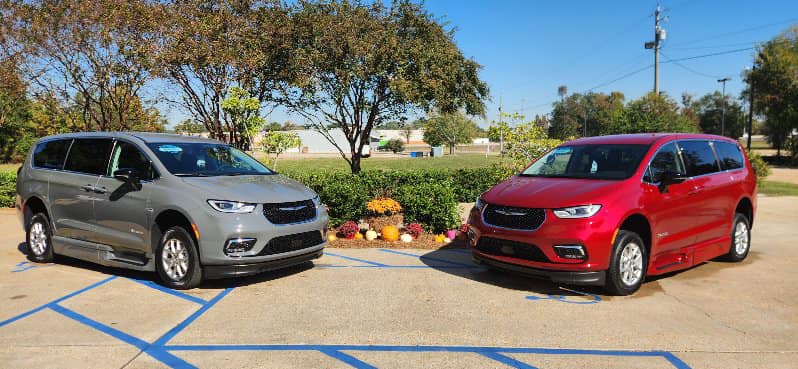
Top Considerations When Choosing a Wheelchair Van in Ridgeland, MS
Every customer has different requirements when it comes to accessible transportation. Before choosing a wheelchair accessible van, it can be helpful to consider how frequently you travel, who will be using the vehicle, and what type of mobility equipment needs to be accommodated. Interior space is another important consideration. You may need room for a wheelchair, additional passengers, or other equipment. Ramp operation, wheelchair securement, entry height, and seating configuration can also affect how comfortable the vehicle is to use on a daily basis. We can help you look at these factors while exploring available vehicles. Our goal is to make the process easier by helping you understand your choices rather than leaving you to sort through accessibility features on your own.
Entry Style (Side-Entry vs. Rear-Entry)
Choosing between side-entry and rear-entry impacts how and where you’ll use your van. Side-entry wheelchair vans are often ideal for daily driving, parking in standard spaces, and independent driving, while rear-entry options can be a more budget-friendly solution and work well for passengers or caregivers.
Ramp Type and Ease of Use
Ramp design plays a major role in comfort and usability. In-floor ramps offer a clean, factory-style appearance and easy deployment, while fold-out ramps can provide a lower entry angle. The right ramp should feel smooth, stable, and easy to operate every time.
Interior Space and Seating Configuration
Interior layout determines how comfortably you’ll travel. Consider wheelchair maneuvering space, seating flexibility for passengers, and whether the driver or passenger will remain in their chair. Proper spacing improves comfort, visibility, and overall driving confidence.
Driving Position and Control Options
Some conversions allow wheelchair users to drive directly from their chair, while others are designed for transfer seating. Adaptive driving controls, steering assistance, and seating adjustments should align with your physical needs and long-term mobility goals.
Vehicle Height and Garage Clearance
Lowered floors improve accessibility but can affect overall vehicle height. It’s important to ensure your converted van will fit in home garages, parking structures, and daily-use environments without limiting where you can go.
Safety and Securement Systems
Reliable wheelchair securement and occupant restraint systems are essential for safe travel. Look for conversions that meet or exceed safety standards and provide secure, easy-to-use systems that offer peace of mind for drivers and passengers alike.
Budget and Long-Term Ownership
Beyond the initial cost, consider long-term value, warranty coverage, maintenance needs, and potential resale. The right conversion balances upfront affordability with durability, reliability, and support you can count on over time.
Get In Touch
Emergency Service & Appointments Available
Sales, service, and mobility solutions — available whenever you need us.

Legacy Vans. Copyright © 2026. All rights reserved. Disclaimer | Powered by Barndance